




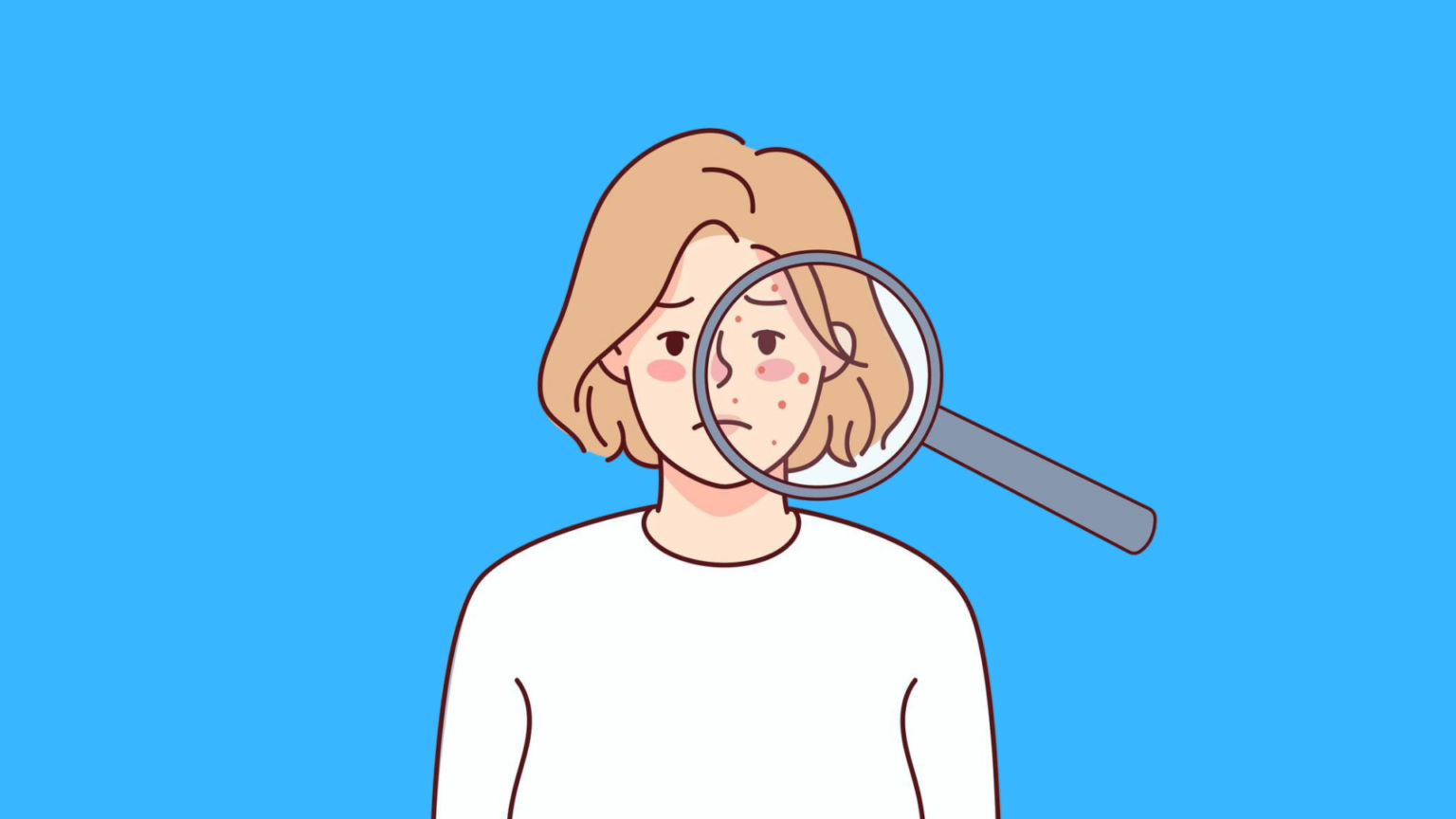
While most teenagers had acne, a condition where one gets a lot of pimples, Melinda had great skin. Her skin was perfectly smooth with no flaws whatsoever. She thinks she got her smooth skin from her parents. She also might have smooth skin because she drinks a lot of water.
Having acne is tough because teenagers care a lot about their appearance and what other people think of them. Having acne can cause people to feel bad about themselves, shy away from others, and not go out. Melinda doesn’t have this problem, but her sister, Ivana, does.
Ivana didn’t understand why she had acne, because no one in her family had it. Ivana ate fairly healthy, too. She felt like she was just unlucky. Because of her acne, Ivana felt insecure about herself. It was hard for her to be confident. She always tried to avoid attention. She barely talked to anyone.
Ivana decided to try ProActiv because she kept seeing it on TV. It ended up improving her skin. It was less red and bumpy. Meanwhile, Melinda got her very first pimple, and it was on the day of her big speech in class! It was horrible timing. That’s the thing about pimples, though, they just appear out of nowhere!
Tradução
029. O Problema da Acne
Enquanto a maioria dos adolescentes tinha acne, uma condição em que a pessoa tem muitas espinhas, Melinda tinha uma pele ótima. Sua pele era perfeitamente lisa, sem nenhuma imperfeição. Ela acha que herdou a pele lisa dos pais. Ela também pode ter pele lisa porque bebe muita água.
Ter acne é difícil porque os adolescentes se importam muito com a aparência e com o que os outros pensam deles. Ter acne pode fazer com que as pessoas se sintam mal consigo mesmas, se afastem dos outros e não saiam. Melinda não tem esse problema, mas sua irmã Ivana tem.
Ivana não entendia por que tinha acne, já que ninguém na família tinha. Ivana também se alimentava de forma relativamente saudável. Ela sentia que era apenas azarada. Por causa da acne, Ivana se sentia insegura. Era difícil para ela ser confiante. Ela sempre tentava evitar atenção. Ela quase não falava com ninguém.
Ivana decidiu experimentar ProActiv porque continuava vendo na TV. Isso acabou melhorando sua pele. Ficou menos vermelha e irregular. Enquanto isso, Melinda teve sua primeira espinha e foi no dia de sua grande apresentação na aula. Foi um timing horrível. Essa é a questão sobre espinhas; elas simplesmente aparecem do nada.
Vocabulário
Pronomes
she (ela)
her (dela/ela objeto)
one (alguém/uma pessoa)
themselves (si mesmos)
them (eles objeto)
no one (ninguém)
it (isso)
they (elas)
Verbos
had (tinha)
gets (tem/recebe)
was (era/estava)
thinks (acha)
got (conseguiu/recebeu)
might have (pode ter)
drinks (bebe)
care (se importar)
think (pensar)
cause (causar)
feel (sentir)
shy away (evitar/afastar-se)
go out (sair)
does (tem/faz)
didn’t understand (não entendia)
ate (comia)
felt (sentia)
tried (tentava)
avoid (evitar)
talked (falava)
decided (decidiu)
kept seeing (continuava vendo)
ended up improving (acabou melhorando)
got (teve)
appear (aparecer)
Preposições
while (enquanto)
with (com)
from (de)
because (porque)
about (sobre)
of (de)
on (em)
out of (de/dentro de)
Adjetivos
great (ótima)
smooth (lisa)
perfectly (perfeitamente – usado como advérbio, mas ligado ao adjetivo smooth)
tough (difícil)
healthy (saudável)
unlucky (azarada)
insecure (insegura)
confident (confiante)
red (vermelha)
bumpy (irregular)
horrible (horrível)
Substantivos
teenagers (adolescentes)
acne (acne)
condition (condição)
pimples (espinhas)
skin (pele)
parents (pais)
water (água)
appearance (aparência)
problem (problema)
sister (irmã)
family (família)
attention (atenção)
TV (TV)
speech (apresentação/discurso)
class (aula)
timing (momento oportuno)
Advérbios
also (também)
fairly (relativamente)
just (apenas/simplesmente)
barely (quase não)
meanwhile (enquanto isso)
whatsoever (de forma alguma)
Phrasal Verbs
shy away (afastar-se/evitar)
go out (sair)
end up (acabar)
appear out of (aparecer de)
Expressões importantes e collocations:
feel bad about oneself (sentir-se mal consigo mesmo)
avoid attention (evitar atenção)
out of nowhere (do nada)
horrible timing (péssimo momento)
care about appearance (importar-se com aparência)
Gramática em foco
O que o aluno vai aprender:
Vocabulário sobre aparência e autoestima; Diferença entre presente geral e passado narrativo; Uso de gerúndio como sujeito; Expressar insegurança e confiança; Uso de phrasal verbs comuns;
Verbos em destaque:
to feel (sentir)
“She felt insecure about herself.”
to avoid (evitar)
“She tried to avoid attention.”
to end up (acabar)
“It ended up improving her skin.”
to appear (aparecer)
“They appear out of nowhere.”
to care (importar-se)
“Teenagers care a lot about their appearance.”
Estruturas do inglês:
Gerúndio como sujeito (Having acne is tough); Present Simple para verdades gerais; Past Simple para eventos específicos; Modal might para possibilidade; Uso de phrasal verbs;
Pontos de observação / correção ou sugestão de reescrita:
–
Dicionários
Como fazer o Homework
Escute o áudio e acompanhe no texto
Leia o texto em voz alta, sem ouvir o áudio
Reescreva o texto para aprender a grafia
Escute o áudio mais uma vez antes de gravar sua leitura
Grave sua leitura no WhatsApp e envie para correção
Faça flashcards para fixar palavras novas e/ou difíceis.
Texto e áudio de Eslfast, com ilustração, estrutura, tradução e explicações da Destravei.
Viu algum erro por aqui? Me avise!